The inconsistency is not about individual competence, but persists because there is no shared framework for how findings get classified and reported. BIRD is built to provide that framework: same taxonomy, same severity definitions, same report structure, with the inspector’s expertise at the center.
The founding team brings together architecture, real estate consulting, software development, AI research, and data science, trained at ETH Zürich, the University of Leiden, and Columbia. We are building within the Columbia GSAPP and MetaProp ecosystem in New York, with roots in the Swiss real estate market.
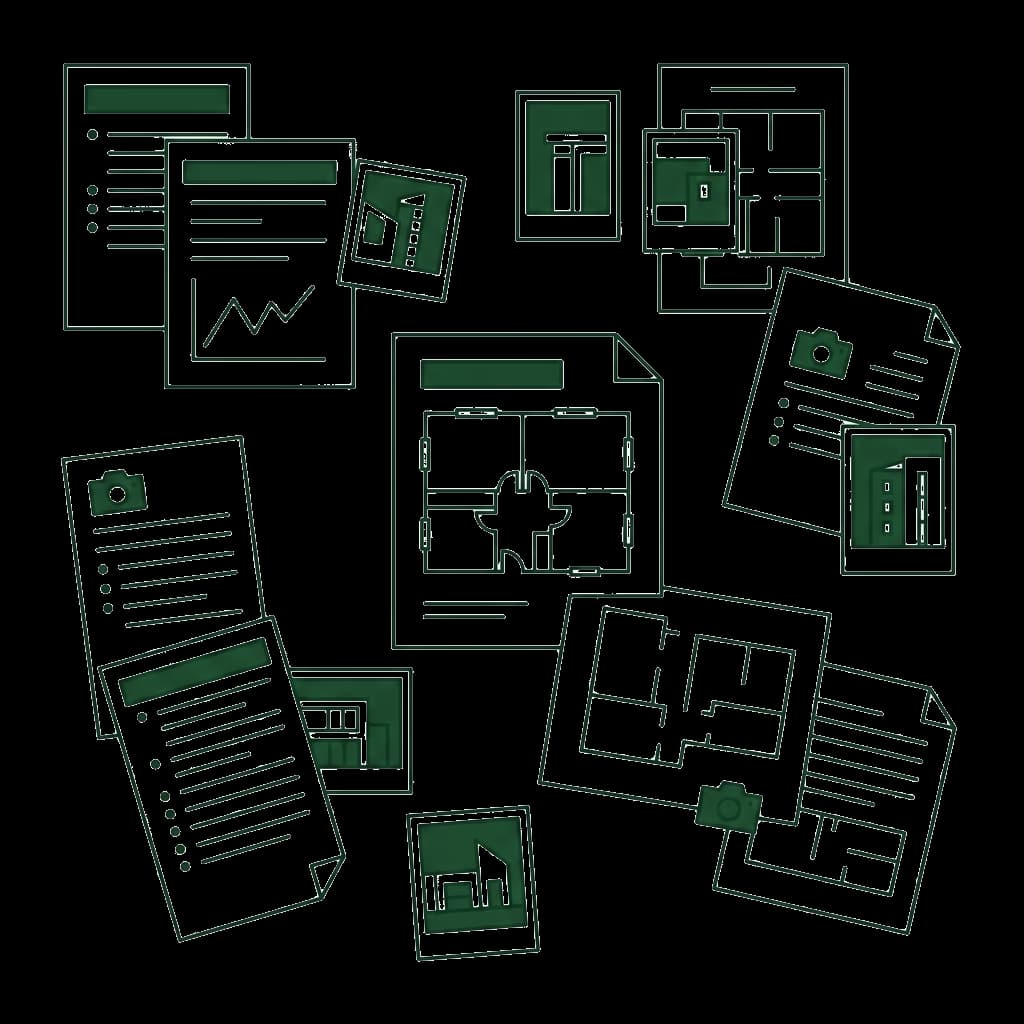
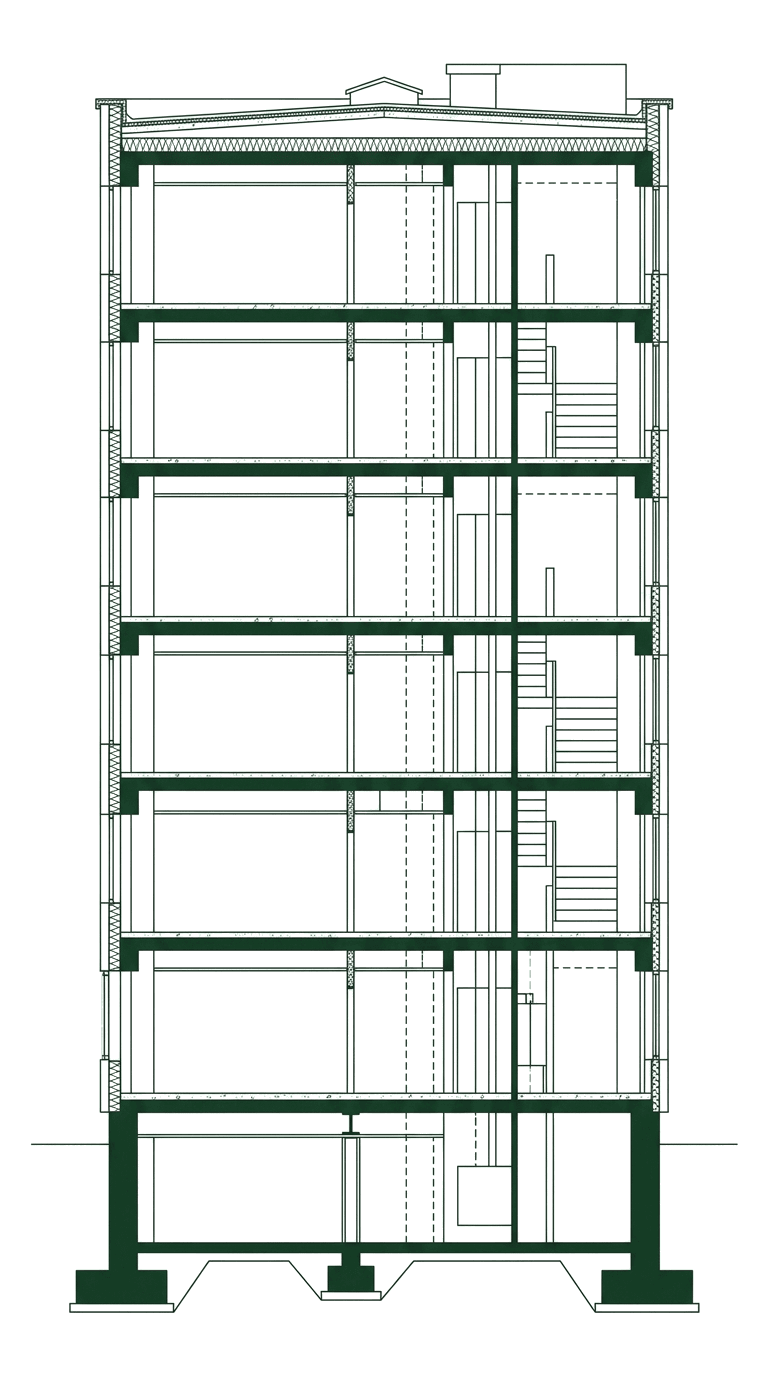
Building condition assessments underpin transactions, lending decisions, and portfolio management across every real estate market. The process of producing them has not changed in decades. A qualified professional visits the site, photographs defects, makes notes, and returns to the office to spend three to five days assembling a report in Word.
The result depends on who did the inspection. Two qualified professionals assessing the same building routinely produce capital expenditure estimates that differ by 30 to 50 percent. Human inspectors miss 15 to 25 percent of observable deficiencies. These are not outliers. They are the norm in an industry without a shared framework for recording, classifying, and reporting condition findings.
For a single property, this creates uncertainty. For a portfolio of dozens or hundreds of properties, assessed by different firms in incompatible formats, it makes systematic condition comparison impossible. Meanwhile, data volumes per real estate transaction have grown by roughly 20 percent to an average of 3.6 gigabytes, driven by expanding ESG disclosure requirements and regulatory scrutiny. The manual process cannot absorb this growth.
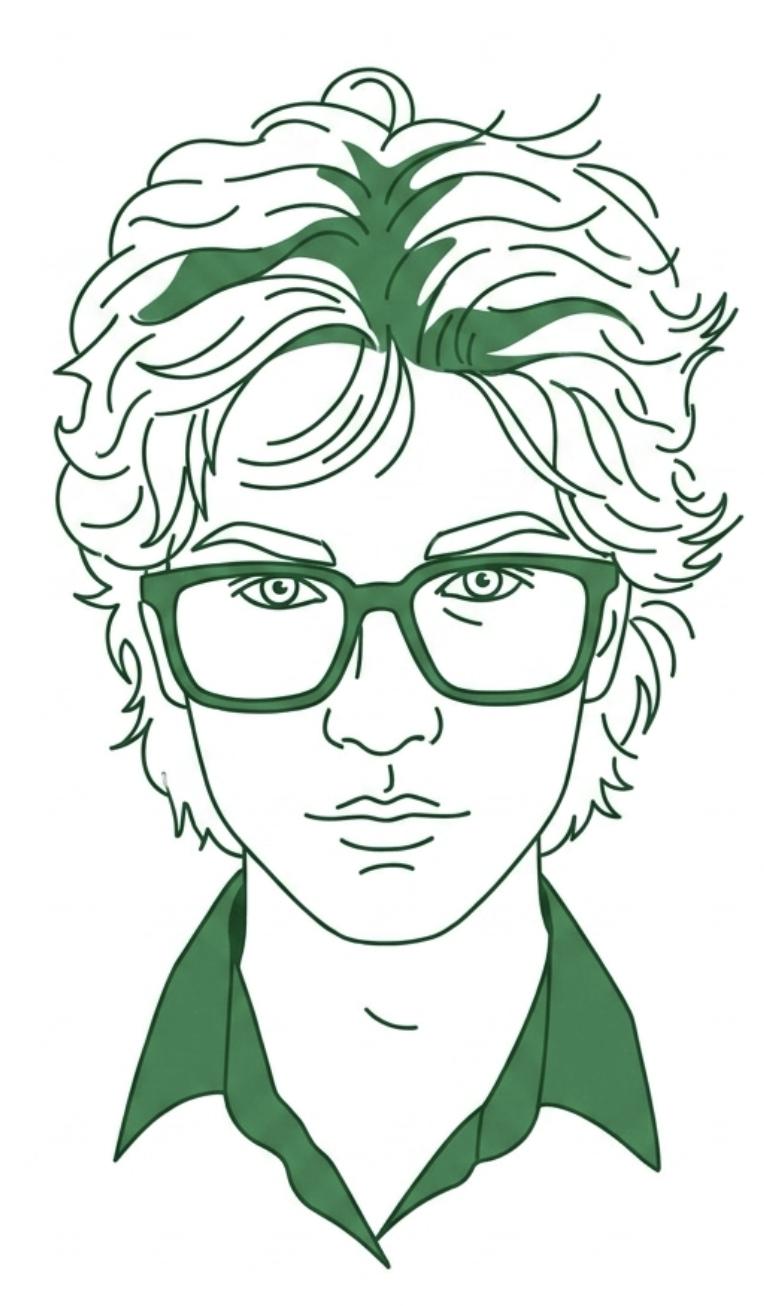 Matiss
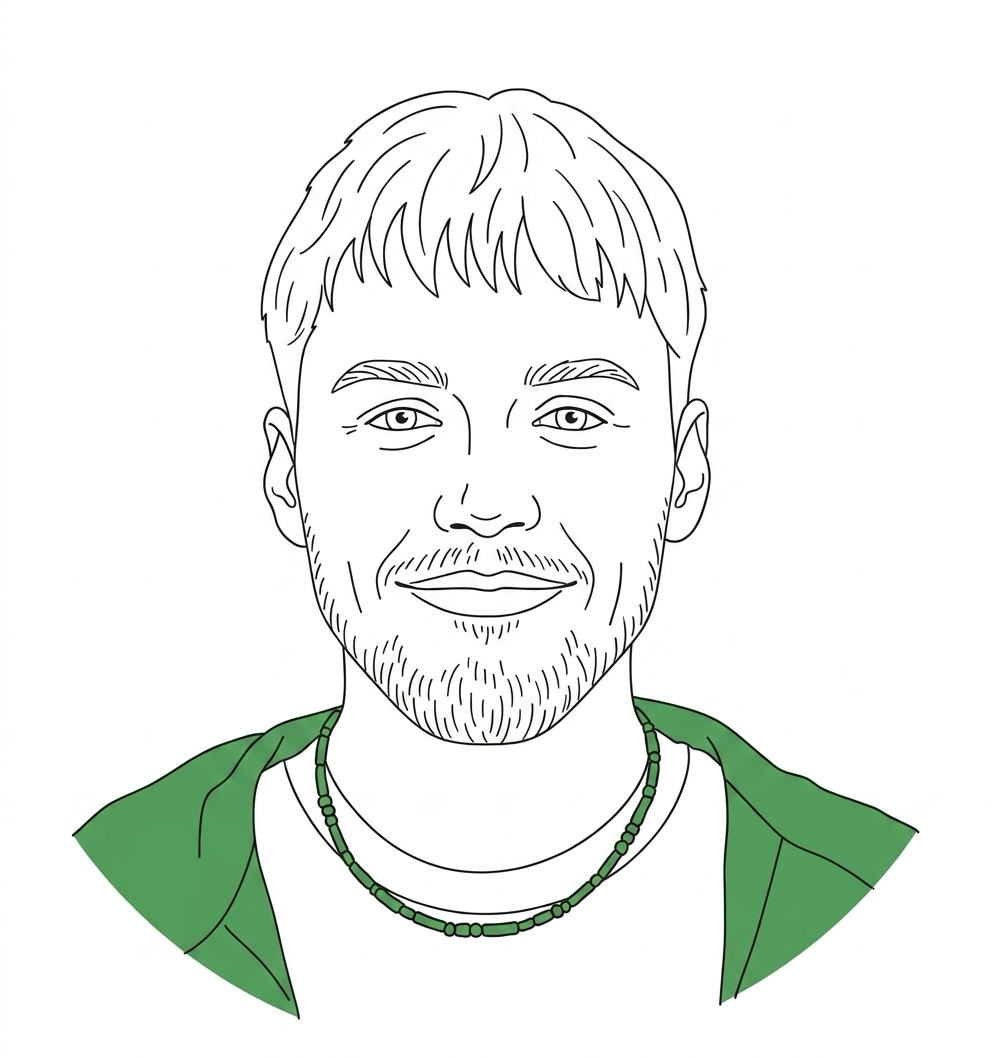 Benas
Benas Max
Max Mathis